

As a past teacher, and also parent and grandparent at Bristol Waldorf (Steiner) School, I want to mark its closure last December with a few words to balance some of what was published about it in Bishopston Voice in 2025, after a bad Ofsted report. In all the sadness of its demise, I want to celebrate its extraordinary and innovative efforts in the educational and social landscape of our city over the past 50 years.
It started with the ideal of offering, firstly, a radically different form of education to its pupils from anything available in the mainstream, a truly holistic, enlivening and nurturing experience for every child’s spirit, soul and body; and secondly, a non-exclusive schooling that would – and in the first phase of the school did – accept children from all backgrounds, irrespective of parents’ income and ability to pay.
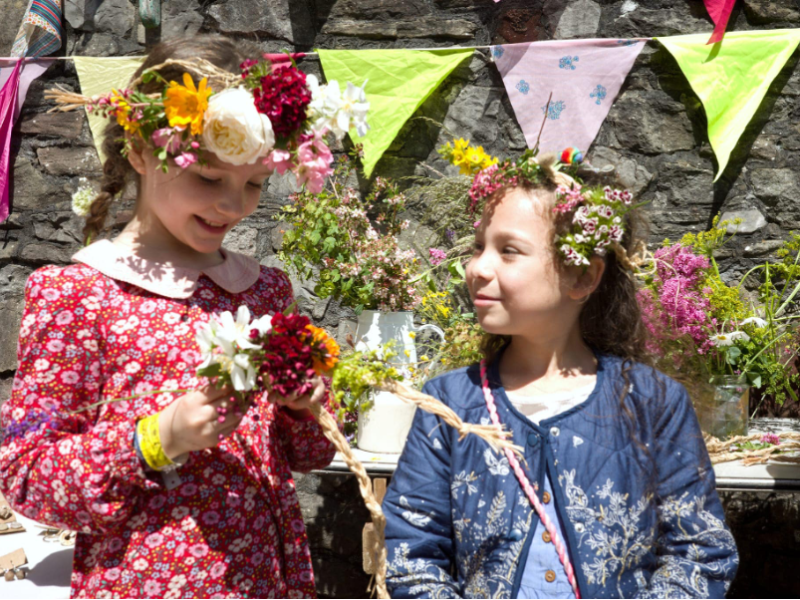
I would like to call it a non-materialistic education in every sense: in its contributions system, whereby parents paid however much or little they could afford; in its salaries to staff, paid in accordance with their particular, differing needs rather than on a fixed salary progression; in its fostering of play, creativity, imagination, music, art and human warmth not in opposition to but as the best foundation for cognitive and intellectual development; in its anti-hierarchical structure, in which all issues of management and child welfare were brought to the school’s listening organ, the ‘college’, for discussion and decisions, which were then ‘owned’ by all; in the warm and very active involvement of parents in maintaining and supporting the school; in its rich celebration of festivals and lively community fairs; and last but not least in its active recognition of young children’s religious sensibility and need for wonder and beauty, not as mere lip service but as an intrinsic aspect of growing into the world and finding their true place in it.
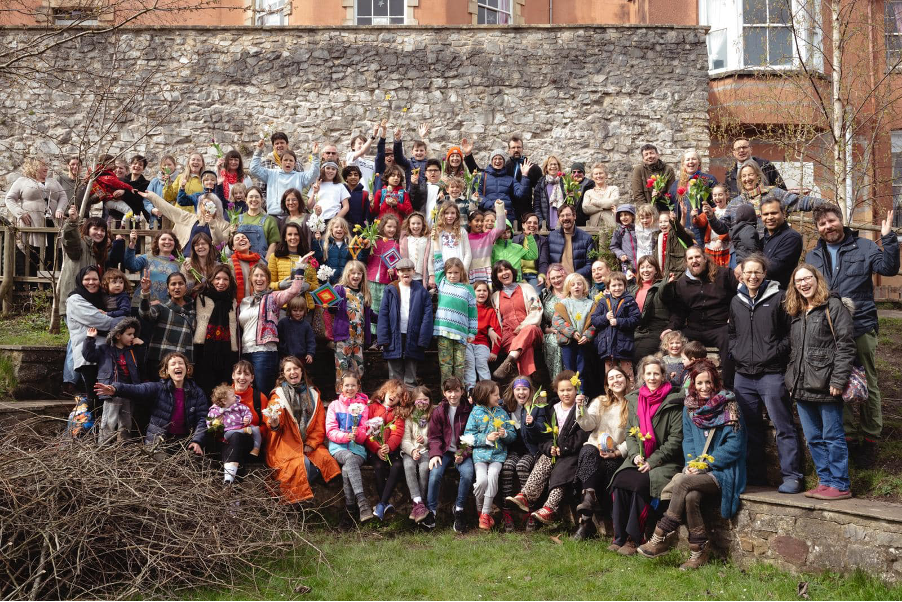
Very idealistic and, many might say, unrealistic in this day and age. It was not at all easy to flout mainstream ideas like this and to keep going on tiny salaries. There were all kinds of problems and difficulties. And in later years, forced to compromise the originating ideals with a headteacher, a board of trustees and a fixed fee structure, the school became what it never wished to be: a fee-paying and therefore exclusive school. Nevertheless, right up to the end, as comments published in this journal show, children loved their school. For instance, in January 24 I read: “My daughter was crying before school every day. Now she wants to be in school all the time, including weekends and holidays.” And: “The school is a haven for our child… his spirit was being crushed. He (had) zero self-esteem when it came to academic learning. (At) Bristol Steiner School he has found his happy place and has made incredible progress socially, emotionally and academically.”
I regard the loss of Bristol Steiner School as a tragedy. In an age of increasingly domineering educational orthodoxy, spearheaded by an Ofsted approach that has not infrequently been damaging to teachers and children, we urgently need more human-scale experiments in education such as the BWS. I feel grateful and proud to have been there.
Matthew Barton