By Ailsa Marshall
From the Bristol Bus Boycott to the toppling of Edward Colston’s statue, Bristol has long placed itself at the centre of Britain’s activist history.
Now a new campaign hopes to formally recognise that identity, with organisers launching a summer-long programme of talks, murals and public events aimed at making Bristol the UK’s first capital of civil rights.
The initiative, led by Bristol-based think-and-do tank CuriosityUnLtd, launched on the anniversary of the 1963 Bristol Bus Boycott – the landmark protest which challenged the Bristol Omnibus Company’s refusal to employ Black and Asian bus crews.
For Julz Davis of CuriosityUnLtd, the campaign is less about creating a new identity for Bristol and more about recognising one that already exists.
“Bristol has never waited for permission to lead. This city has shown the country what change looks like. Activism has always been the lifeblood of systemic change here.”
Davis said Bristol’s history of protest stretches across generations.
“From the 1831 riots for the right to vote, to St Paul’s uprisings, to the Bristol Bus Boycott, to Kill the Bill, Banksy – the list really does go on,” he said. “This city has that civil rights DNA in its spine.”
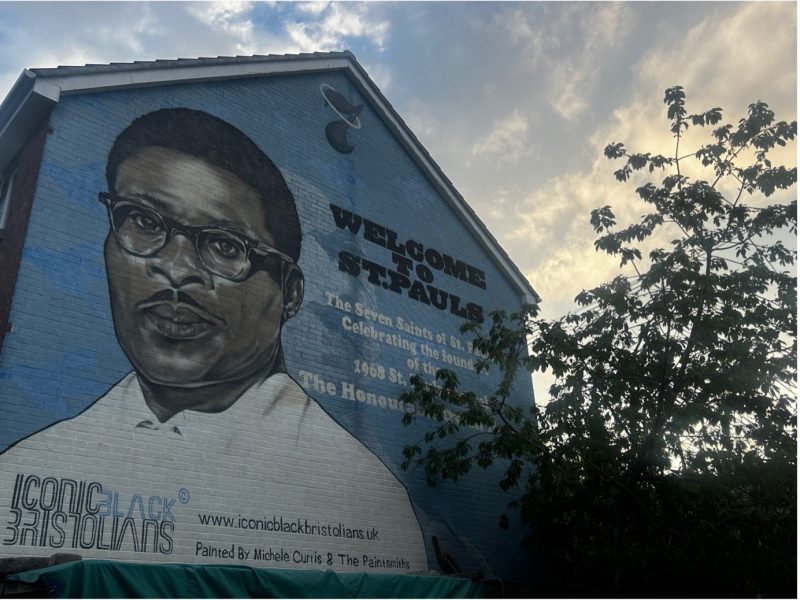
Across BS7 and the neighbouring inner-city communities, that history is still visible today. In Stokes Croft, murals and graffiti-covered walls reflect decades of protest culture and creative resistance, while Gloucester Road’s independent cafés and community spaces continue to display posters for local campaigns and grassroots events.
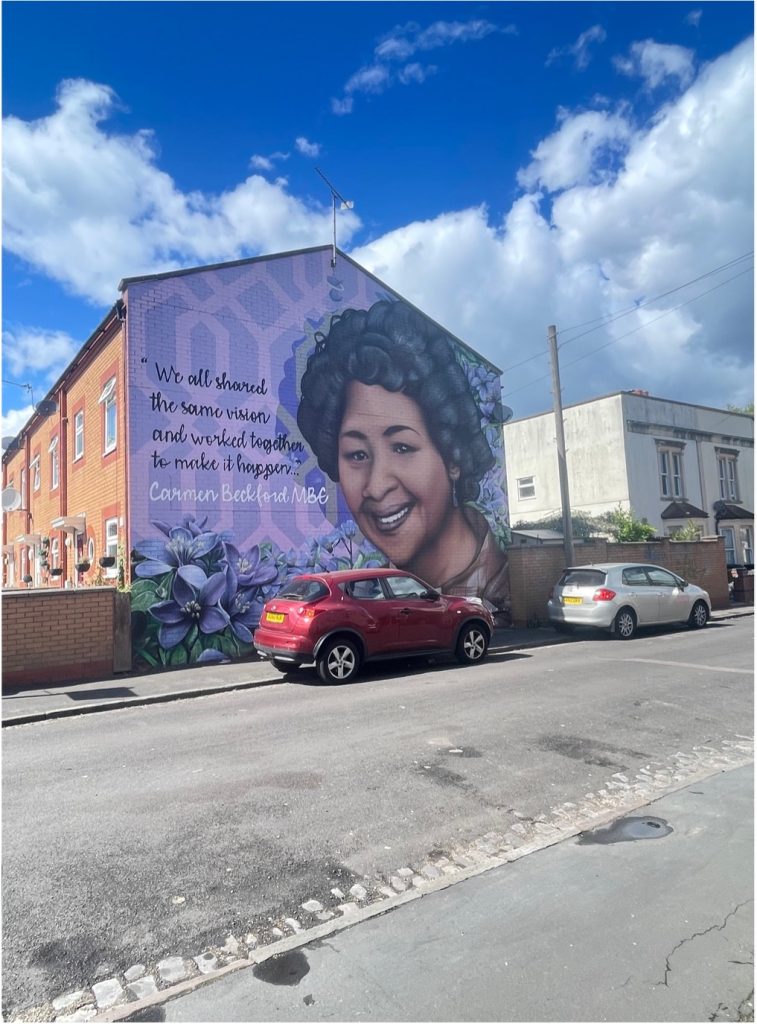
Davis pointed to figures such as community activist Carmen Beckford, whose portrait appears on a mural in St Paul’s, as examples of the people who laid the foundations for Bristol’s activist culture.
“We’re standing on the shoulders of civil rights giants,” he said.
The area has become closely tied to Bristol’s activist identity in recent decades, including during the 2011 Stokes Croft anti-capitalist riots, sparked by the opening of a Tesco Express and wider tensions around gentrification and policing.
Throughout the summer, CuriosityUnLtd will host talks, exhibitions, screenings and public art projects exploring Bristol’s relationship with activism and social change. This includes a collaborative mural project with artist Ella-Mia Grant at this year’s Upfest.
Davis said the campaign is ultimately about future generations and creating a city where people feel empowered to challenge injustice.
Speaking to the Voice, he reflected on his daughters and the kind of city he hopes they inherit – one that loves them as much as they love them.
“We’re building on that DNA of the city,” he said. “We want Bristol to become the UK’s first capital for civil rights.”